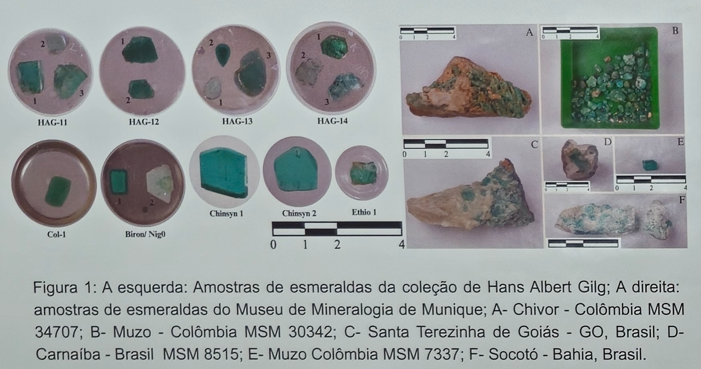
Brazil is a country that contains great diversity within its national territory, which not only applies to biotic factors but also to abiotic ones. This plurality comes down to large natural regions that have important geological formations, which demonstrate the evolutionary past of our planet through geomorphological features, fossils, rock structures, etc. This set of factors is defined as geodiversity.
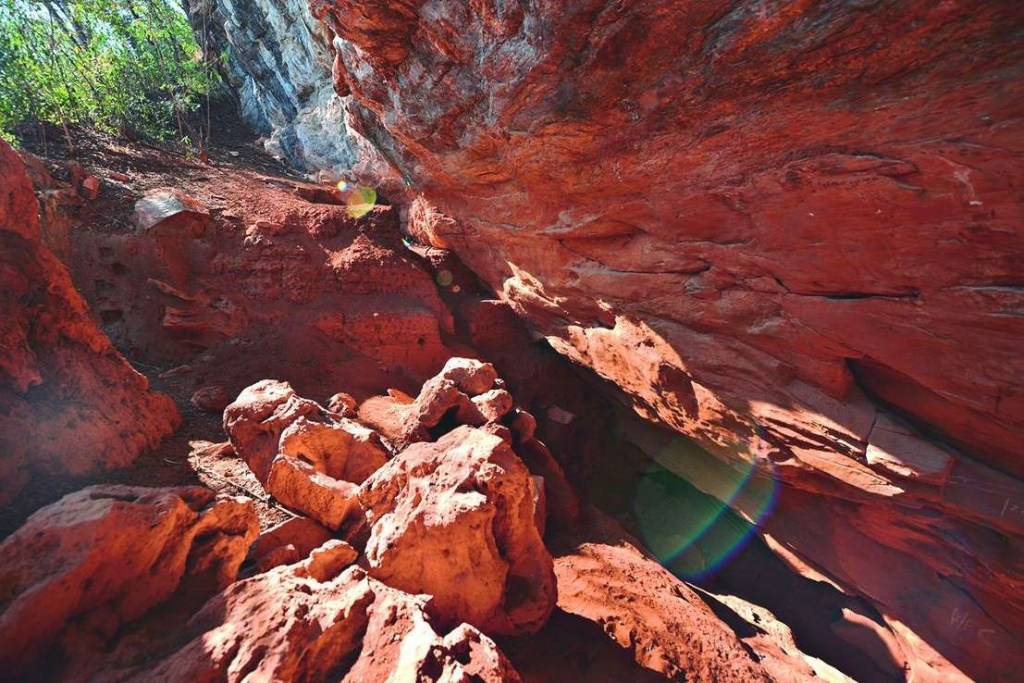
The preservation of abiotic environments should be a priority, as they are necessary for the development of research, which will help society in the medium and long term. Geoconservation experiences, which have already been implemented in other countries, consist of protecting regions with scientific and tourist potential through the courts and creating a series of laws for abiotic conservation areas. Yellowstone, located in the United States, is an example of these experiences. It is a geopark preserved by legal government means, due to the richness of its geodiversity and biodiversity. However, in Brazil, there are no judicial protocols that protect these regions in the national territory, which are vulnerable to possible anthropogenic destruction.
On the other hand, Forensic Geology is a branch linked to work/study that can be closely connected to geodiversity protection factors but is still developing and expanding in the Brazilian context, as there are few professionals specialized in this sector. Forensic Geology often works in illegal mining, seeking to stop undue exploration and monitoring segments imposed by law. It is known that these places degrade the environment in an unsustainable way, thus causing damage to regions where there is vast geodiversity and, consequently, the nation’s economy. In this sense, Forensic Geosciences would be an essential factor for the implementation of geoconservation within Brazil, so that preservation and the judiciary work together for the benefit of society, expanding areas with an intrinsic geodiverse character.
In view of the preservation of abiotic environments, it is necessary, in an interdisciplinary format, the academic teaching of Geoforensics, as this would allow the dissemination of this new area of activity for the geologist, in addition to the training of professionals qualified to work in this recent sector of geosciences. Therefore, Brazilians would be closer to increasing geoconservation areas that in the future could be transformed into prestigious geoparks for visitation or scientific research.
References
BRITO, A. F. S.; MANSUR, K. F.; CRUZ, G. S.; Geoforense: Uma abordagem dialógica como proposta de geoconservação. UFRJ, Rio de Janeiro, 2021.
SALVADOR, F. A. S.; SILVA, M. P. N.; A Importância Social do Ensino Acadêmico de Geologia Forense. Departamento de Polícia Federal, UFPR, Curitiba, 2018.